About the Cayman Islands
History of the Cayman Islands
Learn about the Cayman Islands’ past — from early explorers and maritime traditions to pirates, shipwreck legends, taxation myths, and the Islands’ remarkable modern transformation.

Learn about the Cayman Islands’ past — from early explorers and maritime traditions to pirates, shipwreck legends, taxation myths, and the Islands’ remarkable modern transformation.
Christopher Columbus is credited as the first European explorer to record sighting the Cayman Islands in 1503, during his fourth voyage to the New World. Observing the waters filled with sea turtles, he named the islands Las Tortugas, meaning “The Turtles.”
In 1586, Sir Francis Drake’s fleet of 23 ships anchored off Grand Cayman for two days. At that time, the island was uninhabited, but historical accounts describe an abundance of wildlife, including crocodiles, alligators, iguanas and, most notably, turtles. The plentiful turtle population soon made the islands an important provisioning stop for ships crossing the Caribbean, as turtle meat provided a valuable source of protein for long sea voyages. Over the centuries, however, extensive hunting drastically reduced turtle numbers. While turtle dishes such as turtle stew and turtle steak can still be found today, they are considered specialty items and are carefully regulated.
The Cayman Islands remained without permanent settlement until the 1660s. Early attempts to establish communities, particularly on Little Cayman, were abandoned due to pirate attacks. During the 17th and 18th centuries, privateers and pirates operated throughout the Caribbean, and the Cayman Islands were occasionally used as a strategic stopover point.
Infamous figures associated with the era — including Blackbeard (Edward Teach), Lowther and Henry Morgan — were known to sail these waters. The islands offered fresh water, shelter and provisions for ships navigating trade routes between the Americas and Europe. Cayman Brac, with its caves and rugged coastline, became the subject of local legends suggesting hidden pirate treasure remains undiscovered to this day.
This maritime history is celebrated annually during Pirates Week, a lively national festival held each November. The event features a theatrical “pirate invasion” of George Town Harbour, complete with costumed performers arriving by sea and staging a mock capture of the Governor. The week-long celebration continues with parades, music, street festivities, competitions and fireworks, drawing residents and visitors alike to participate in one of the Caribbean’s most distinctive cultural events.
Permanent settlement began in the 1730s, when the first recorded land grants were issued. Following the Treaty of Madrid in 1670, the Cayman Islands were formally recognised as a dependency of Jamaica under British control. Many of the earliest settlers arrived from Jamaica.
The Royal Navy completed the first recorded survey of the islands in 1773. At that time, the population numbered around 400 people, approximately half of whom were enslaved. Early economic activity included exporting cotton, turtle products, sarsaparilla and timber to Jamaica.
Some historical accounts suggest that early inhabitants may have included deserters from Oliver Cromwell’s army in Jamaica. Survival depended heavily on subsistence farming, fishing and maritime trade. By 1802, the population of Grand Cayman had grown to 933, with roughly equal numbers of free settlers of British descent and enslaved Africans. The hardships of these early years helped shape the resilient and resourceful character that continues to define Caymanian society today.
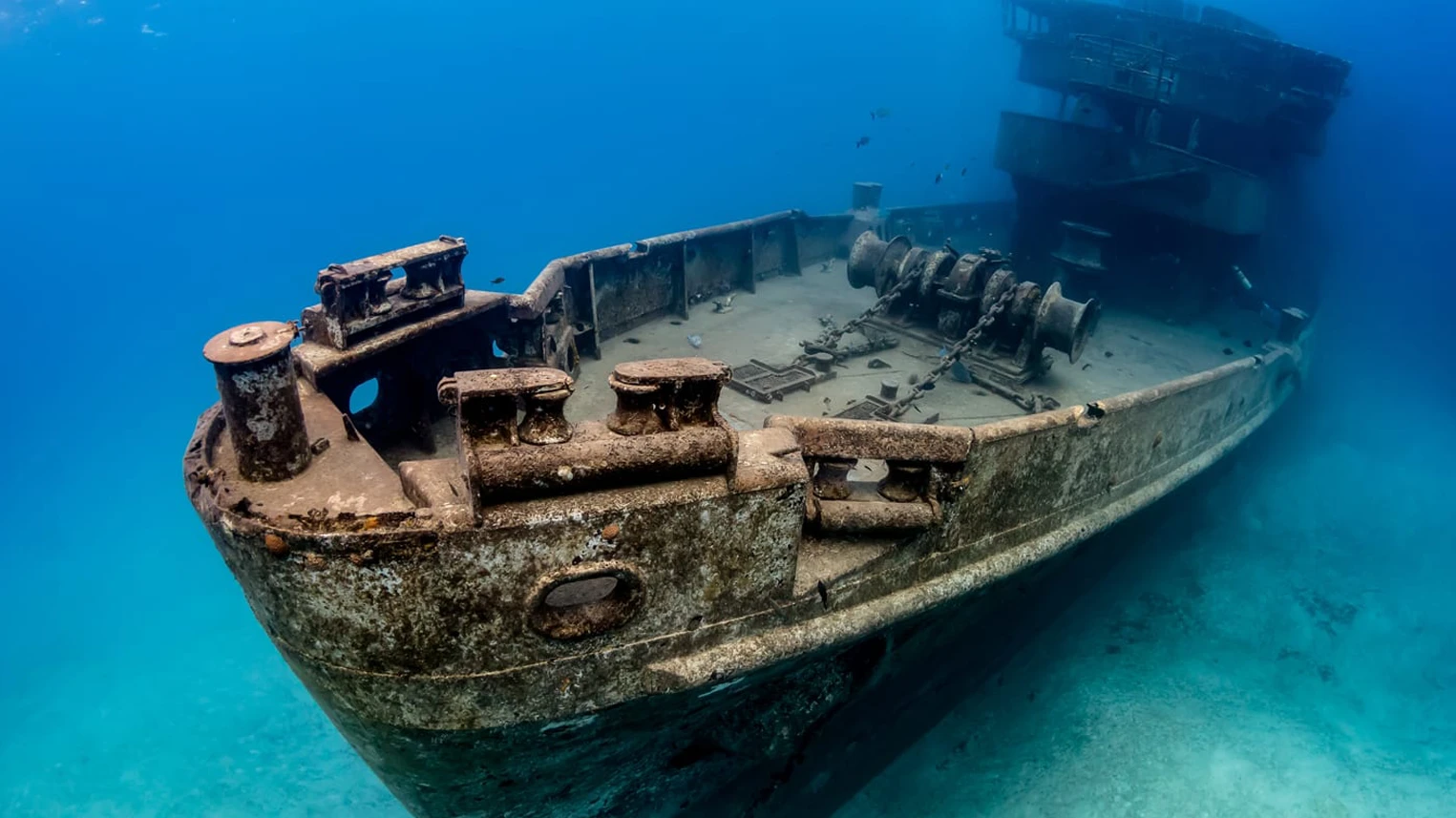
One of the most enduring legends in Caymanian history is the Wreck of the Ten Sails. In February 1794, a convoy of ten merchant vessels led by HMS Convert ran aground on the reef near Gun Bay in East End, Grand Cayman.
Local residents are said to have mounted an immediate rescue effort, saving the crews from certain disaster. According to popular legend, one of the rescued passengers was a royal prince, and in gratitude King George III granted the Cayman Islands exemption from taxation and military conscription. While the shipwreck itself is well documented, no official records confirm the royal decree. A more plausible explanation for the absence of direct taxation lies in the islands’ limited economic activity during that period, when most residents relied on subsistence livelihoods and seafaring work abroad.
Geographic isolation and the social integration that followed the emancipation of enslaved people in 1835 contributed to the development of a closely connected and culturally cohesive society.
For generations, Caymanians relied heavily on the sea. Shipbuilding and “sailorizing” — the traditional term for working as seafarers — became essential professions. Islanders used natural materials creatively: silver thatch palm was woven into hats, baskets and rope resistant to saltwater; coral was used in construction; and local plants served practical household purposes.
During the 19th and early 20th centuries, many Caymanians sought employment abroad, working in Nicaragua, Honduras, the southern United States and later on merchant and oil tankers after World War II. Remittances sent home played a vital role in sustaining the local economy. Migration was often cyclical, with many Caymanians eventually returning home. The national anthem reflects this tradition of departure and return, reinforcing the deep emotional ties to the Islands.
Even today, people of Caymanian heritage born overseas remain an important part of the community, and discussions surrounding citizenship and immigration policy continue to reflect this historical migration pattern. Caymanians have consistently expressed strong support for remaining a British Overseas Territory.
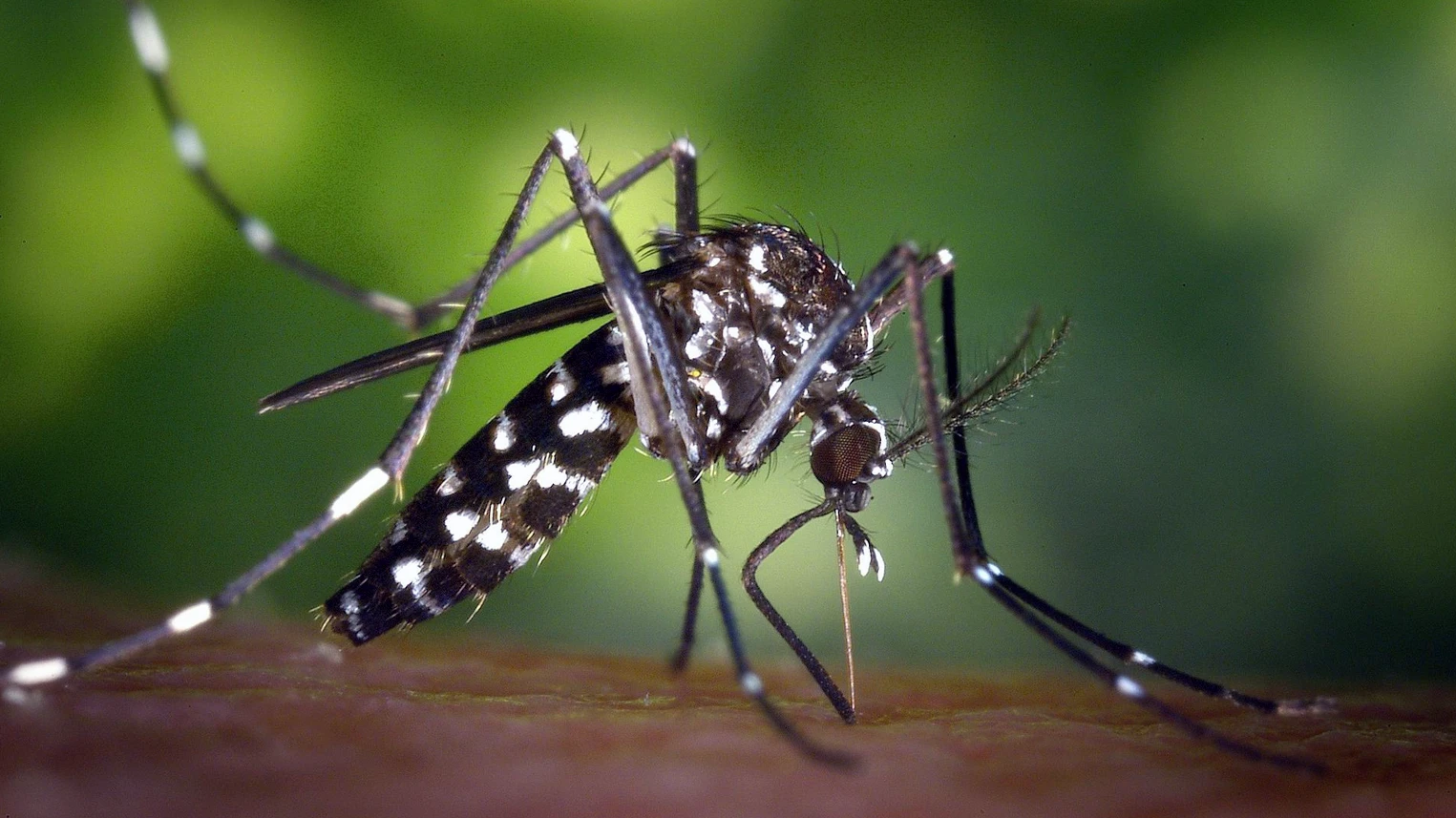
One of the lesser-known challenges in Cayman’s development was its once-overwhelming mosquito population. Swampy areas created ideal breeding grounds, and historical accounts describe conditions so severe that outdoor activity at night was nearly impossible without smoke to repel insects.
The establishment of the Mosquito Research and Control Unit dramatically reduced the problem through sustained scientific management. This improvement significantly enhanced quality of life and supported the Islands’ social and economic progress.
The 1950s marked a turning point in Cayman’s modern history. In 1953, Grand Cayman opened its first airfield, hospital and commercial bank — Barclays Bank. A small but growing hospitality sector began to emerge, and in 1957 dive pioneer Bob Soto launched one of the island’s first commercial dive operations.
Subsequent legislation capitalised on the absence of direct taxation, encouraging the growth of an international financial services sector. Within a relatively short period, the Cayman Islands established themselves both as a premier recreational diving destination and as a globally recognised financial centre.
The Cayman Islands are a British Overseas Territory and operate as a parliamentary democracy with executive, legislative and judicial branches.
A Governor appointed by the British Government represents the Crown. The elected Parliament consists of 19 members representing 19 districts. The Cabinet is led by the Premier and includes elected ministers alongside appointed officials.
As of 2025, Jane Owen serves as Governor, the Hon. André M. Ebanks is Premier, the Hon. Margaret Ramsay-Hale is Chief Justice, and Franz Manderson serves as Deputy Governor.
Over the past several decades, the Cayman Islands have undergone extraordinary transformation. From a subsistence-based economy in the mid-20th century, the Islands have developed the highest standard of living in the Caribbean.
The population has grown from approximately 10,000 in 1970 to around 88,000 by December 2025, representing more than 137 nationalities. Visitor numbers have expanded dramatically as well — from just over 400 annual visitors in 1970 to approximately 2.1 million each year today. The Cayman Islands are now widely regarded as one of the Caribbean’s most refined and upscale travel destinations.
Rapid development beginning in the 1980s brought new residential communities, hotels and condominium complexes, particularly on Grand Cayman. While economic growth has been welcomed, it has also raised concerns about preserving the Islands’ architectural heritage and maintaining a human-scale approach to urban planning.
Efforts continue to protect historic landmarks such as the Old Courts Building and the Harry Piercy House, now home to the National Museum. The Heritage Garden at the Queen Elizabeth II Botanic Park offers a restored traditional Caymanian farmhouse, complete with period furnishings and coral stone walls — preserving an important connection to the Islands’ past amid ongoing modern development.