Plan Your Trip
10 Water Safety Tips
Top tips for staying safe in Cayman’s waters — whether you’re swimming, snorkelling, boating or relaxing on the beach.

Top tips for staying safe in Cayman’s waters — whether you’re swimming, snorkelling, boating or relaxing on the beach.
With warm, crystal-clear seas and generally calm conditions, the Cayman Islands are ideal for water activities. However, ocean environments always require awareness and sensible precautions. Follow these practical safety guidelines to ensure your time in the water is both enjoyable and safe.
Always swim with a companion and let someone know when you’re entering the water. If you are exploring more remote beaches or coves, inform someone of your location and expected return time.
While Cayman’s waters are often calm, sea conditions can change. Avoid swimming beyond your comfort level or too far offshore. If you find yourself in difficulty:
If you lack confidence, consider booking lessons with a certified local swim instructor during your stay — many offer private pool or sea sessions for both adults and children.
Children should never be left unattended near water — even in shallow areas.
Remember: inflatables are not life-saving devices.
Drowning is often silent and quick.
A person in distress may:
If you suspect someone is in trouble, call 911 immediately and alert others nearby.
Strong gusts can quickly carry inflatables offshore. What seems like a calm day can change rapidly. If winds pick up:
Alcohol impairs coordination, balance and judgement. It also increases dehydration risk in the Caribbean heat. If you plan to drink, do so after swimming — not before.
The Caribbean sun is intense year-round.
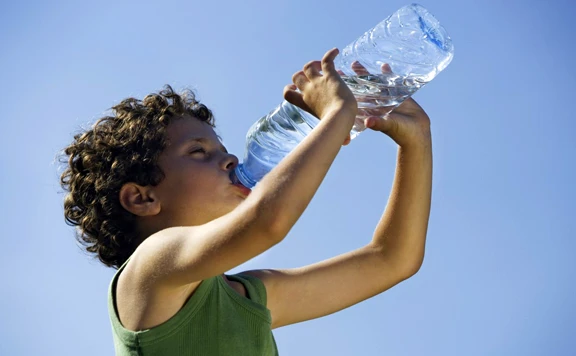
Hydration is essential — drink water regularly, even if you don’t feel thirsty.
High temperatures and salt exposure increase fluid loss. Watch for:
Take breaks in shaded areas and drink water consistently throughout the day.
Jellyfish encounters are uncommon but possible. If stung:
Cayman’s coral reefs are living ecosystems.
Respecting marine life protects both you and the reef.
Grand Cayman has several fully equipped hospitals, clinics and pharmacies. In case of emergency, dial 911 immediately.
The Cayman Islands offer some of the safest and most beautiful waters in the Caribbean. By taking simple precautions and staying aware of your surroundings, you can fully enjoy swimming, snorkelling and boating with peace of mind.