About the Cayman Islands
Cayman’s Flora and Fauna
A brief introduction to the unique plant and animal life found across the Cayman Islands.

A brief introduction to the unique plant and animal life found across the Cayman Islands.
The Cayman Islands are internationally recognised for their spectacular marine environment, yet the natural beauty above water is equally impressive. More than 650 plant species have been documented across the Islands, and the native forests display remarkable biodiversity, particularly when compared to many temperate regions further north.
On Grand Cayman, two of the most rewarding places to explore native ecosystems are the Queen Elizabeth II Botanic Park and the Mastic Trail. Both locations provide visitors with opportunities to experience protected woodland, wetlands and indigenous plant life in their natural setting.
Cayman Brac and Little Cayman are especially popular among birdwatchers. Little Cayman is home to one of the Caribbean’s most significant breeding colonies of the Red-footed Booby. The Cayman Parrot, with its vibrant colouring, can be heard calling from almond trees across all three islands, particularly in the early evening hours.
Wildlife is frequently encountered in residential and natural areas alike. Frogs, lizards and green iguanas are common sights, especially near bushland. Bats emerge after sunset and are harmless to humans. Following heavy rainfall, large land crabs often cross roadways as they migrate. The agouti — locally referred to as “rabbit” — is shy and rarely observed. Freshwater ponds attract migratory birds and provide habitat for hicatee (a freshwater turtle species) and small fish.
Approximately half of Grand Cayman consists of wetlands and mangrove habitat. These mangrove ecosystems are essential nurseries for fish and bird species and serve as natural coastal protection. Conservation and preservation of these areas remain a priority, with ongoing efforts supported by the National Trust for the Cayman Islands.
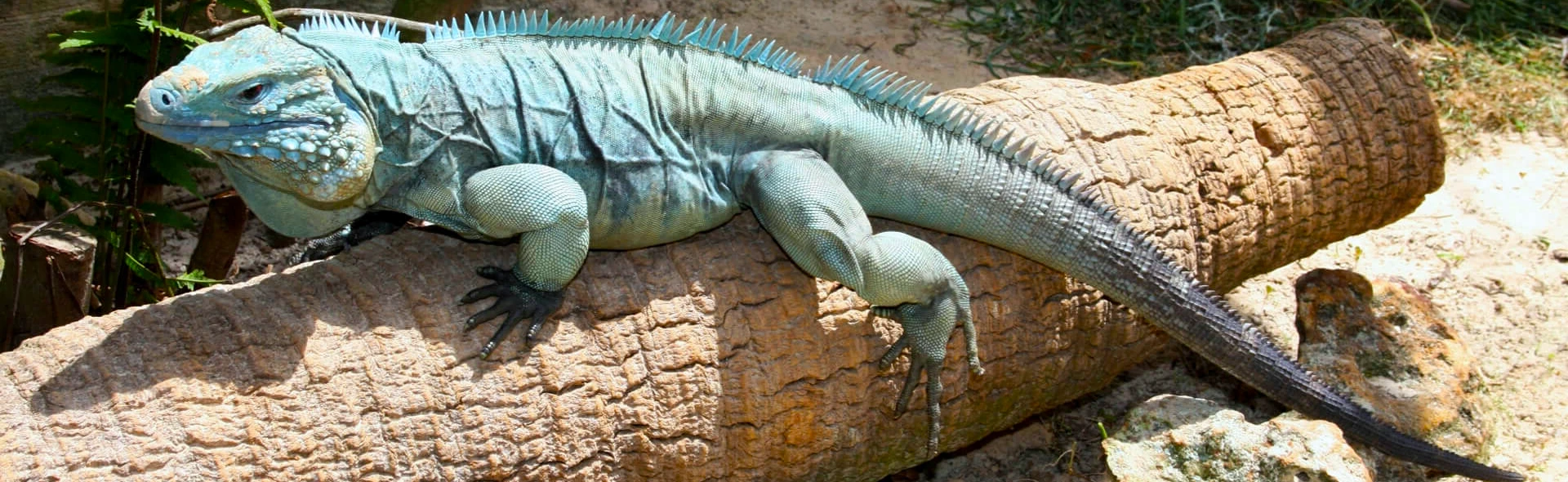
The Queen Elizabeth II Botanic Park, established in 1994, plays a central role in safeguarding the Islands’ natural heritage. Key features include the Blue Iguana Conservation Facility, Heritage House and Garden, Woodland Trail, freshwater lake and wetlands, Colour Garden and the Children’s Garden, inaugurated by King Charles in 2019. The park blends environmental education, conservation initiatives and family-friendly attractions while actively supporting the recovery of the endangered Blue Iguana population.
The Caymanian Blue Iguana is more than just an iconic reptile — it also contributes to the ecosystem as a seed disperser. By feeding on native fruits and vegetation, it helps regenerate plant life across its habitat. And when excited, the Blue Iguana is known for its distinctive head-bobbing behaviour — a fascinating display of reptilian communication.