About the Cayman Islands
Cayman Waters Dos and Don’ts: Marine and Environmental Laws in the Cayman Islands
A practical guide to the marine and environmental regulations that protect the Cayman Islands’ natural resources.

A practical guide to the marine and environmental regulations that protect the Cayman Islands’ natural resources.
The Cayman Islands are internationally recognised for their pristine waters and vibrant marine ecosystems. To preserve this environment, strict marine and conservation laws are enforced. Violations are treated seriously and may result in substantial fines or imprisonment. Visitors and residents alike are expected to follow these regulations carefully.
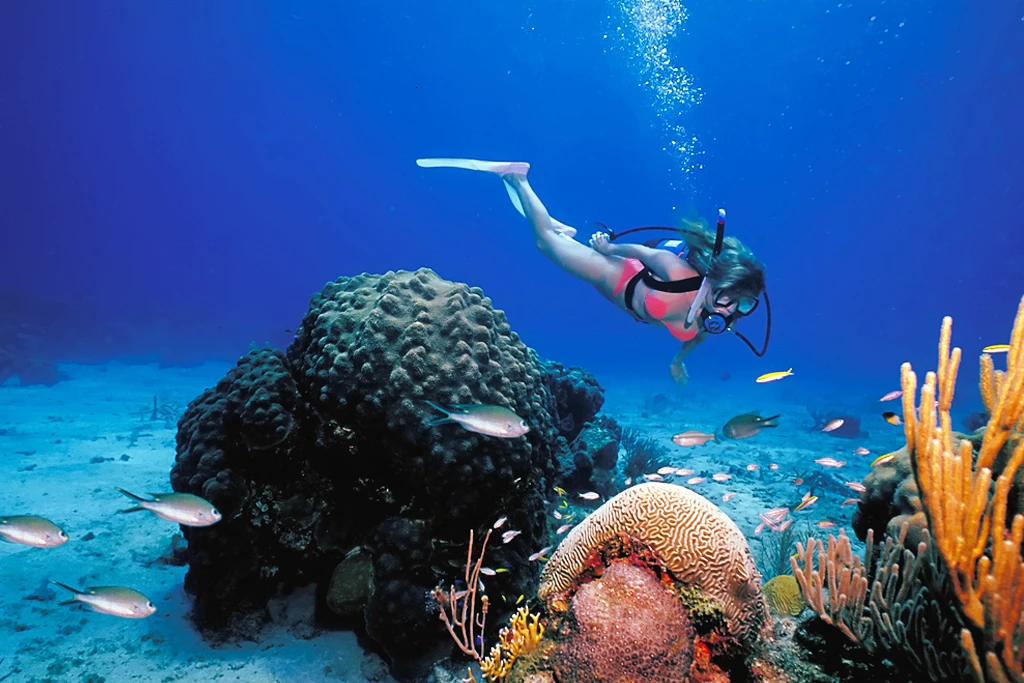
Grand Cayman has an extensive marine park system covering more than 48% of its territorial waters. Protected areas include zones around George Town, Coxswain Bank, Cayman Brac and Little Cayman.
These parks safeguard coral reefs, breeding grounds and marine habitats, helping to maintain biodiversity and supporting the Islands’ reputation as a world-class diving and snorkelling destination.
For detailed zoning maps and regulations, refer to the Cayman Islands Department of Environment (DoE).
The Department of Environment provides a mobile application outlining marine park boundaries, protected species, closed seasons and catch limits. The app offers real-time guidance for boaters, fishers and divers and can be downloaded via Apple or Google platforms.
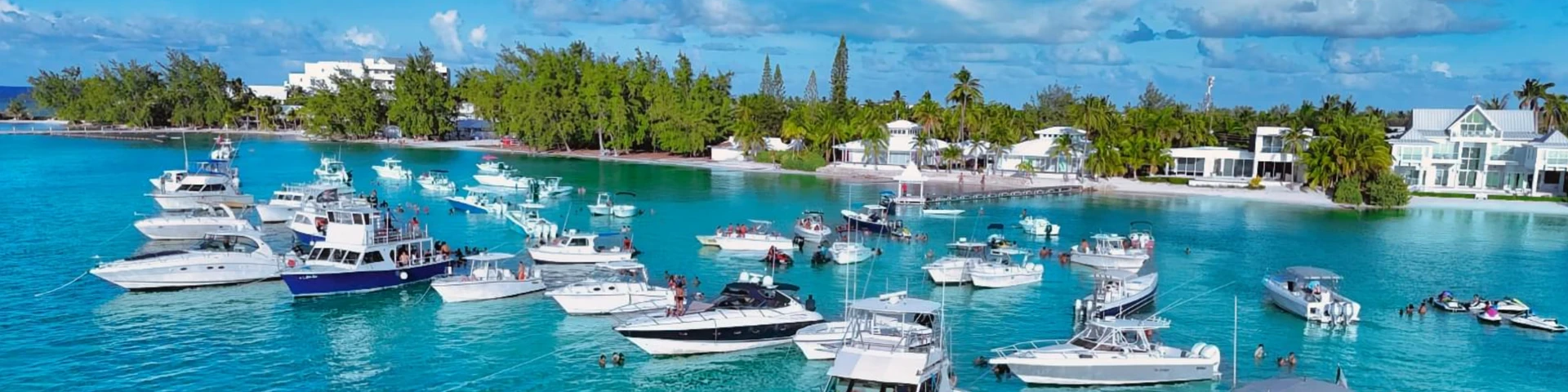
Boating and personal watercraft are prohibited within designated swim zones, particularly along Seven Mile Beach.
When operating a vessel:
These rules are strictly enforced to protect swimmers and divers.
Fishing is permitted in Cayman waters; however, catch-and-release practices are encouraged.
There is an eight-inch minimum size requirement for most fish species. Certain species are fully protected and may not be taken at any time. Official guidance and species protection details are available through the Department of Environment.
Lobster Season
Open: 1 December – 28 February
Limit: Three per person per day or six per boat per day (whichever is less)
Minimum Tail Size: Six inches
Species: Spiny lobster only
Conch Season
Open: 1 November – 30 April
Limit: Five per person per day or ten per boat per day (whichever is less)
Whelk Season
Open: 1 November – 30 April
Limit: 2.5 gallons in shell or 2.5 pounds processed per person per day
Nassau Grouper
Open: 1 May – 30 November
Limit: Five per person or five per boat per day (whichever is less)
Size Restriction: Only fish between 16 and 24 inches (inclusive) may be taken
It is illegal to disturb, capture or interfere with sea turtles in Cayman waters or on Cayman beaches without a valid licence.
Possession of turtle eggs is strictly prohibited.
Licensed fishermen may only harvest turtles between 1 December and 31 March, subject to regulation.
Starfish must remain in the water. It is illegal to remove or lift them from their natural habitat.
The red lionfish is an invasive species that poses a serious threat to Cayman’s reef ecosystems. Its rapid reproduction and feeding habits disrupt native fish populations and reef balance.
To address this issue, the Cayman Islands Government supports regulated lionfish culling initiatives led by trained divers and fishers. Public awareness campaigns also encourage responsible harvesting and even promote lionfish as a sustainable seafood option.
Protecting the Cayman Islands’ marine environment ensures that future generations can continue to enjoy its natural beauty. Visitors are encouraged to familiarise themselves with these regulations and practise responsible tourism at all times.